
Our Story
In the aftermath of the war, Emmanuele Cauchi, inspired by the transformation unfolding around him, decided to open a business in the very heart of Mosta – the Pjazza, the vibrant center of local trade. In the late 1940s, he acquired part of a premises on Triq il-Kbira, at the corner with Pjazza Rotunda, and opened his doors for the first time.
A respected barber and tailor, Emmanuele quickly built a loyal clientele. He became especially known for his impeccable craftsmanship in producing hundreds of men’s caps, the traditional Maltese Beritta, which was worn widely at the time. His shop thrived for years, becoming a familiar part of the community.
When Emmanuele passed away in 1964, his son Joseph, then working in a different profession, kept the shop closed. Despite numerous tempting offers from other businessmen, Joseph recognised the value of the location and patiently waited for the right opportunity to revive the business and involve his own sons.
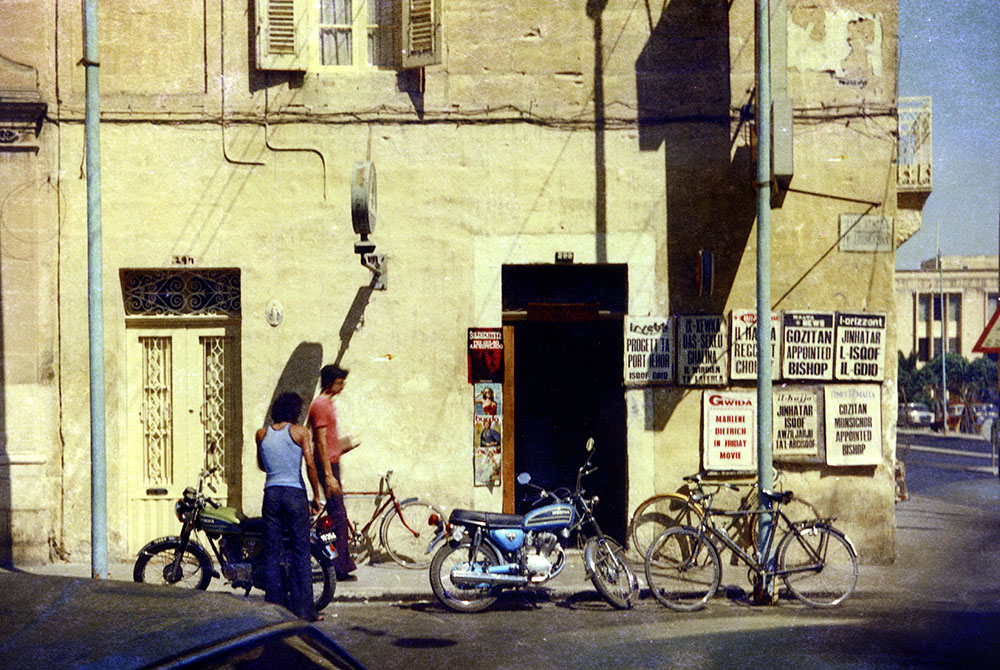
That moment arrived in 1969. With the help of his three sons – Raymond, John, and Stephen, Joseph reopened the premises as a Stationery and Bookshop. The venture proved immediately successful, prompting Joseph to consider purchasing the entire building and undertaking a major renovation. In 1977, the shop was modernised with new display windows and a more open layout, a transformation that helped business flourish even further.
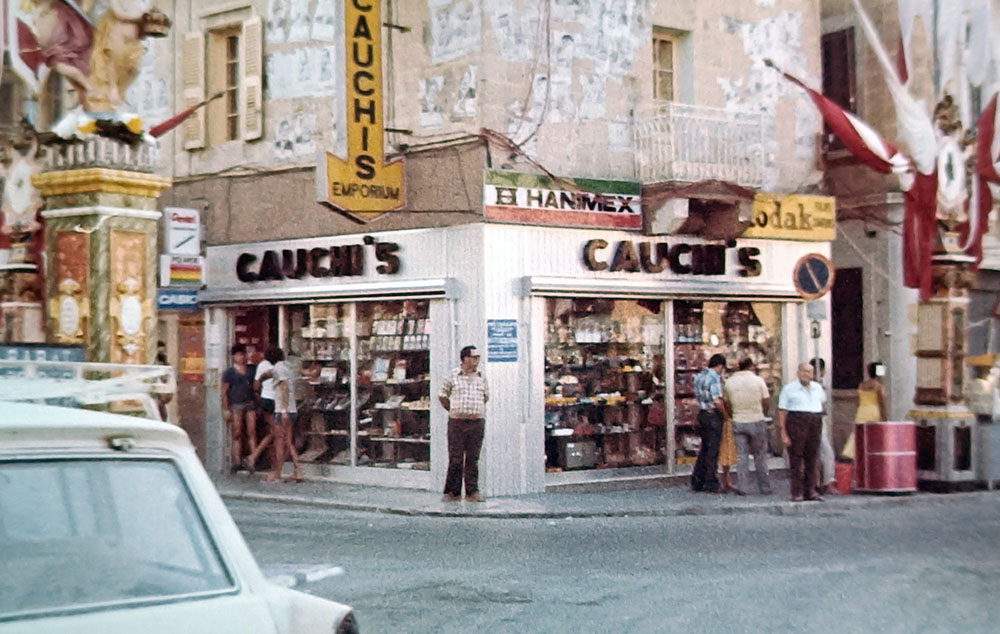
Keen to expand, Joseph began discussions with the tenants on the upper floors. After several years, an agreement was reached, enabling him to purchase the entire building and proceed with major redevelopment. In 1986, after finding a temporary site next door from where to operate, the old structure was demolished and rebuilt with two additional floors.
This expansion brought a new idea – diversifying into catering. The upper floors became Pjazza Café, Mosta’s first cafeteria and restaurant, offering courteous service, an extensive menu, and sweeping views of the Mosta Dome and Pjazza. The café quickly became a success.
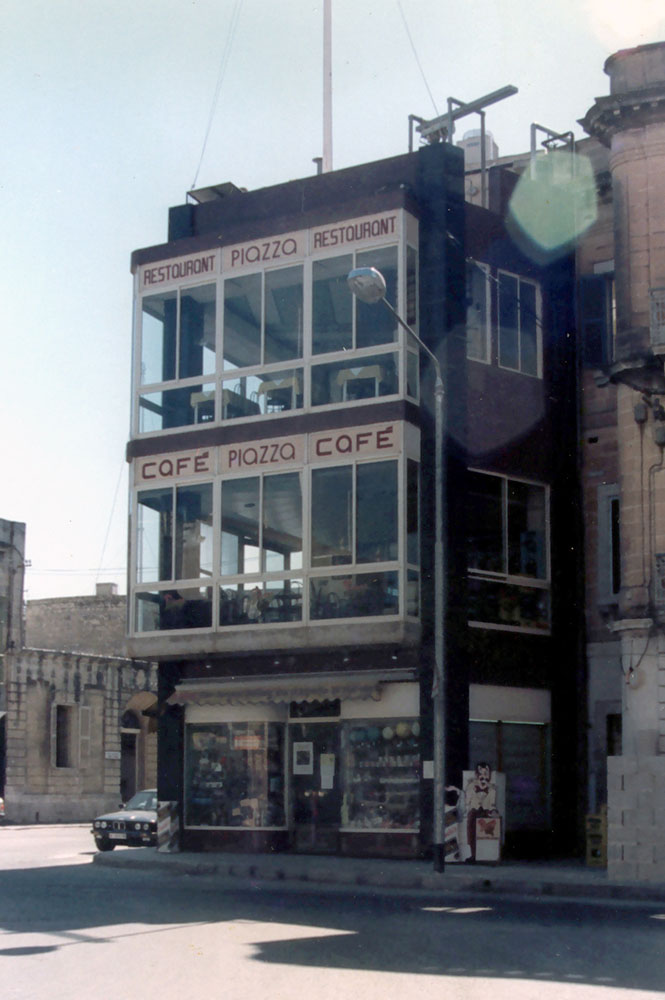
In 1994, the opportunity arose to purchase the adjoining property, doubling the available space. The entire premises underwent a complete redecoration and modernisation.
The Cauchi family had actually begun diversifying earlier. In 1980, they entered the field of photography and film processing. Staying at the forefront of technology required significant investment, but it paid off. The introduction of a 30-minute film developing service was particularly popular, especially among tourists.
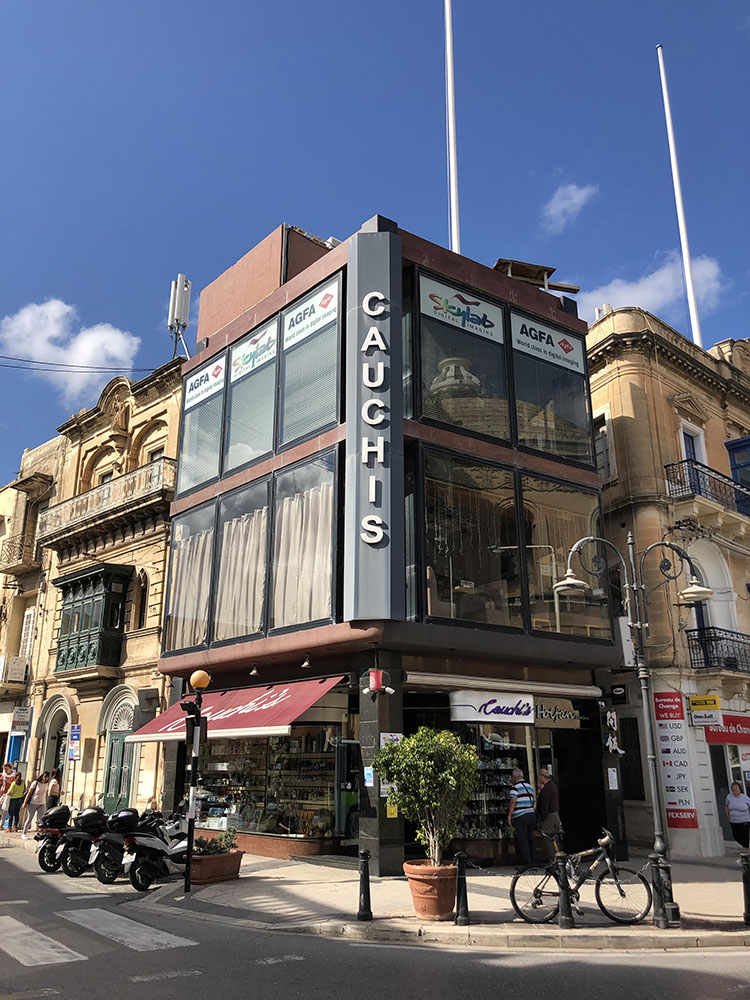
By 2003, as digital photography began to overtake film, the restaurant on the top floor was transformed into Skylab Digital Imaging. The new studio offered professional photo services, large-format printing, and other modern imaging solutions.
In 2008, Cauchi’s expanded again, acquiring another adjacent property to create a dedicated book section. This allowed for a broader selection, from children’s books to specialised topics, and freed up space for new services such as document printing and binding, which were in growing demand.
Today, the Cauchi family’s story is a testament to adaptability, vision, and the ability to embrace change without losing touch with tradition. Across generations, they have balanced heritage with innovation, ensuring their business not only survives but thrives in an ever-changing world.
Talk to us
We value open communication and are here to assist you in any way we can. Feel free to reach out to us for any inquiries or support.